Trip to the Moon by John Yorke – Non-Fiction Book Review
This is a slightly different book review to my usual as it’s a non-fiction, but considering my reading goals for 2026, one of which was to knock a few non-fictions off my list, I thought it would be worth throwing a non-fiction review or two out there every so often. I actually set a specific list of non-fictions from my “own but as yet unread” shelf for this goal, but my aim is to read 1 non-fiction per month, so this worked perfectly for that.
I’m a writer who’s not really a writer. I love to write; I write for work and I write in my spare time for my blogs. And in my head, I write novels. I haven’t really ever put these to paper, but I know that one day I will, so I gather information for them like a magpie.
Trip to the Moon: Understanding the True Power of Story by John Yorke is now available to buy.
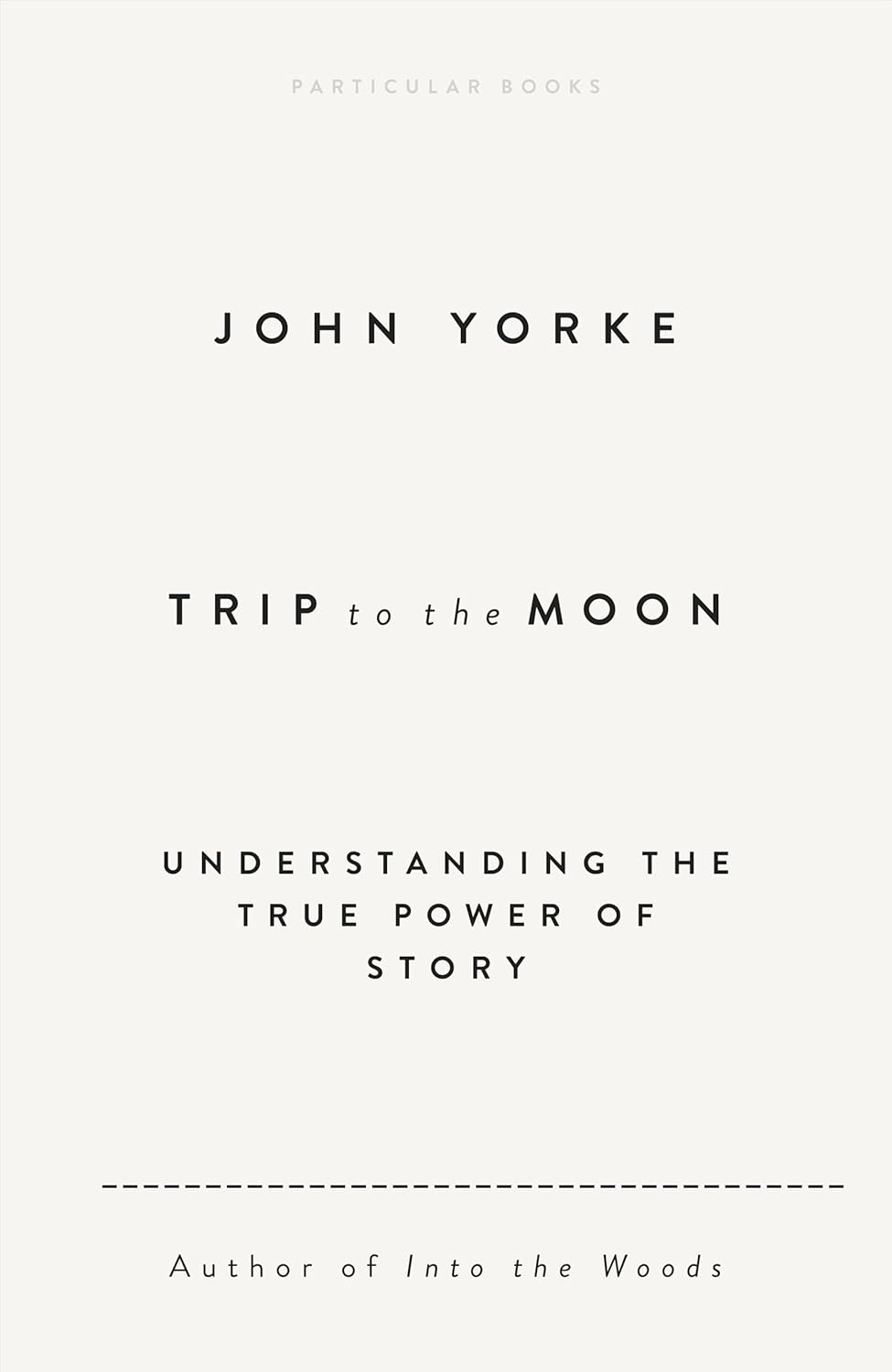
This is written more like a series of essays than as a directive on how to write stories. It’s an analysis and discussion rather than step-by-step instructions. I wasn’t sure what to expect when I went into it, maybe something more simplistic or “how-to”. Instead, it feels like something you might read to study the topic of narrative, rather than just for easy enjoyment, but I enjoyed it nonetheless.
I wasn’t particularly interested in the political or religion-heavy sections, but even there, there were still moments and ideas that jumped out to me and felt worth sitting with.
I really enjoyed the section on non-Western narrative in particular. It felt refreshing and genuinely broadened how I think about storytelling beyond the structures we’re so used to seeing. I feel like I’ve discovered something new here and will definitely explore more narratives. It feels like this has really broadened the scope of what types of story I would enjoy consuming.
Some parts went a bit above my head because I didn’t always understand or know the literary references. But there were also plenty of moments where I’d never heard of the story, book or film being mentioned, yet you could still tell from Yorke’s description that it was a powerful narrative. That in itself felt very telling, almost reinforcing the book’s message that humans are wired for story, and that even something as simple as a series of social media posts could hook us emotionally if it follows the narrative patterns we instinctively respond to.
I also found the discussions around conspiracy theories fascinating, especially the idea that they often become believable because they mimic familiar narrative structures. That really stuck with me.
I don’t think I’ve highlighted so many sections in a book for a long time!
If you’re interested in more non-fiction book reviews, I have a few in these posts here:
- An Immense World by Ed Yong and Rewild Yourself by Simon Barnes
- Wordslut by Amanda Montell and Mythica by Emily Hauser
- Every Body Should Know This by Federica Amati, Dopamine Detox by Thibaut Meurisse and Wayfinding by Michael Bond
- Signals: The Hidden Power and Secret Languages of Hormones by Dr. Saira Hameed – Book Review
- The Secret World of Twilight by Sally Coulthard – Non-Fiction Book Review
Thank you to Netgalley, the author and the publishers for an ARC of this book.

Thank you for your review, I look forward to reading it later on this month. I do believe you would hugely enjoy his other book on the subject of story, Into The Woods. That book is incredible for any would-be writers out there and I would imagine would pair up very well with the book you reviewed here.