
Dan Brown Books in Order: The Ultimate Robert Langdon Reading Guide
If you spent any time browsing bookshops or supermarket paperback racks in the mid-2000s, you’ll remember the sheer grip Dan Brown had on the world. His blend of conspiracy theories, high-stakes art history, cryptology, and non-stop ticking clocks turned his work into a genuine global phenomenon.
I remember the crazy hype around The Da Vinci Code – especially as I was at a Catholic school! There was a lot of buzz about this seemingly controversial book. I read it probably in the couple of years after it came out and I remember enjoying it as a gripping thriller and as an alternative look at the history and religion I knew. To be honest, I feel like this perspective of looking at art and history through a different lens (even if it is sensationalised for the purpose of fiction) could spur people into more of an interest in the topics!
Whether you are picking up his titles for the very first time, looking to revisit some of the best books from his backlist, or curious about a potential new book, getting into Dan Brown’s books can occasionally raise a few questions. For example, did you know that The Da Vinci Code is actually the second book in the series, not the first? People often get this confused as The Da Vinci Code was the one with so much hype!
Here is the complete guide to all Dan Brown books in order, covering both the iconic Robert Langdon series and his standalone novels, so you know exactly where to begin.
The Robert Langdon Books in Order
While Dan Brown has written standalones, Harvard professor Robert Langdon is undoubtedly the beating heart of his fame. As a Harvard professor of symbology (and a specialist professor of religious symbology), Langdon constantly finds himself pulled out of lecture halls and thrown straight into danger alongside brilliant female academics, evading police, and unravelling conspiracies woven by an elusive secret society.
You can read the Robert Langdon thrillers in both publication order and chronological order – thankfully, both timelines align! Robert Langdon’s career has now spanned many years, as you can see below!
You can check out more thriller book reviews here:
- One of the Family by Mark Edwards – Thriller Book Review
- The Night Stairs by Erin Kelly – Dark Academia Thriller Book Review
- Please Help Me by Gytha Lodge – Thriller Book Review
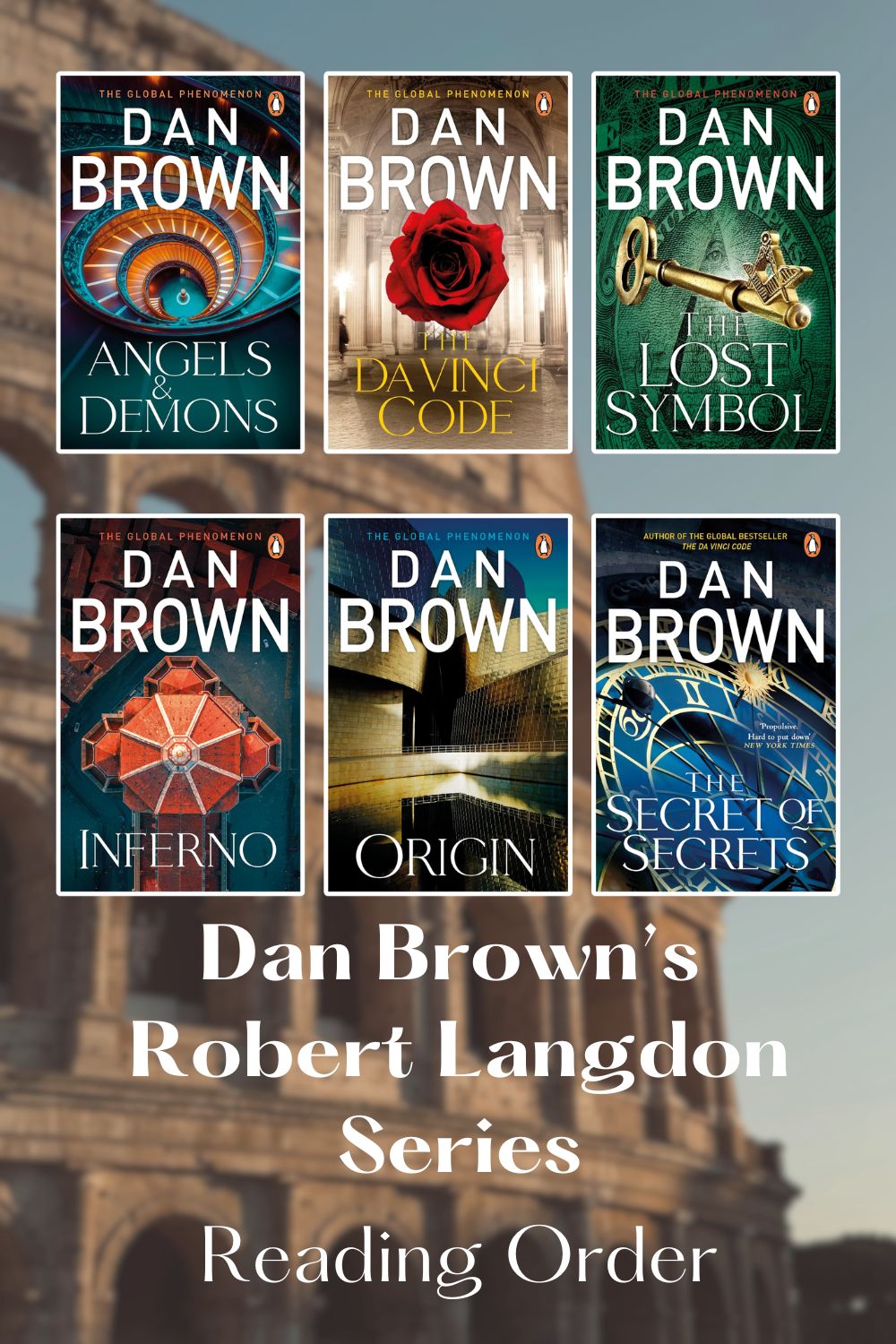
Here is the complete book list of Robert Langdon novels in order:
- Angels & Demons (2000)
- The Da Vinci Code (2003)
- The Lost Symbol (2009)
- Inferno (2013)
- Origin (2017)
- The Secret of Secrets (2025)
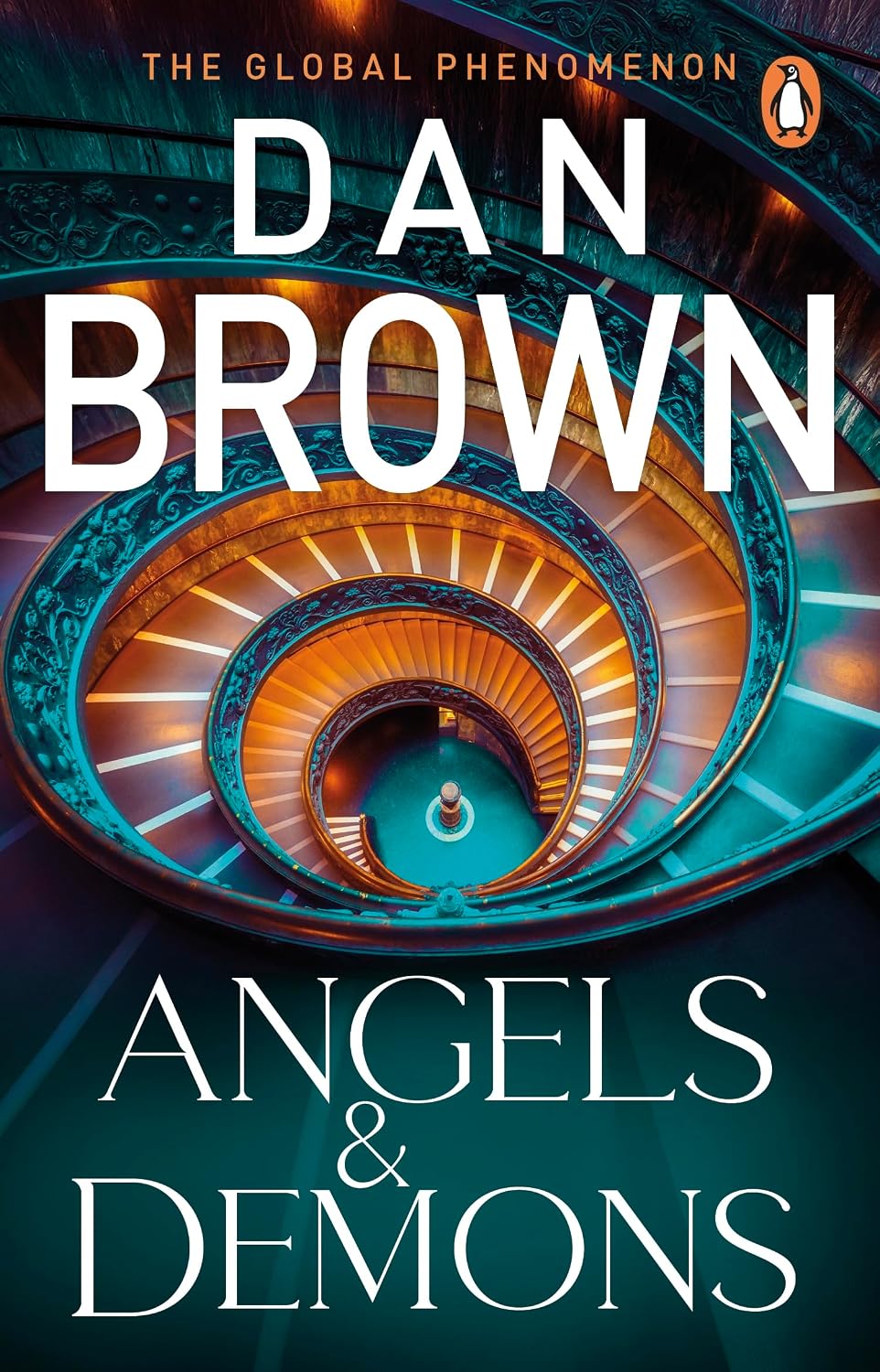
1. Angels & Demons (2000)
Before Paris and the Holy Grail, Harvard symbologist Robert Langdon made his debut in Angels & Demons. The story kicks off with an urgent late-night phone call summoning Langdon to Switzerland’s cutting-edge CERN institute, where a physicist has suffered a brutal murder and a canister of antimatter has vanished.
The killer has branded the victim with an ambigram of the Illuminati, sending Langdon into a sprint across Rome. Racing from the Church of St. Francis of Assisi to St Peter’s Basilica, Langdon must decipher ancient secrets and follow a trail of clues embedded across the city’s most famous landmarks to prevent the Vatican from being blown sky-high during a papal conclave.
Film note: Although published before The Da Vinci Code, its Hollywood film adaptation directed by Ron Howard and starring Tom Hanks was released as a sequel in 2009.
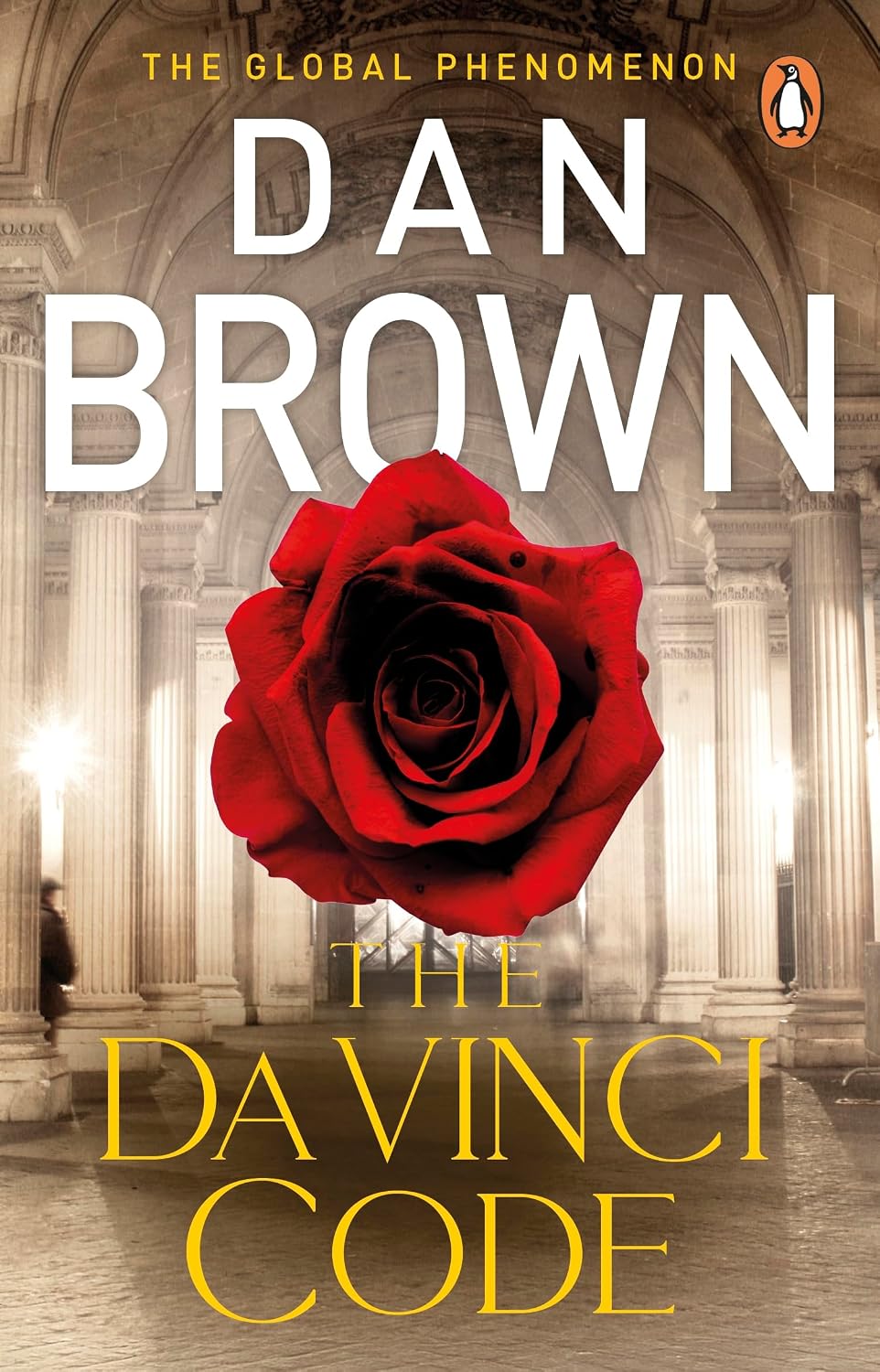
2. The Da Vinci Code (2003)
The book that sparked an international sensation and redefined modern thriller novels. When the elderly curator of the Louvre, Jacques Saunière, is murdered inside the gallery, he leaves behind bizarre riddles, symbols drawn in his own blood, and a secret message.
Langdon is initially brought in as a consultant, only to realise he is the prime suspect. Teaming up with cryptologist Sophie Neveu, a gifted French cryptologist who happens to be Saunière’s estranged granddaughter, the pair must flee the authorities. Their escape unravels hidden codes concealed in the famous works of Leonardo da Vinci, unveiling a centuries-old Priory of Sion secret hiding in plain sight.
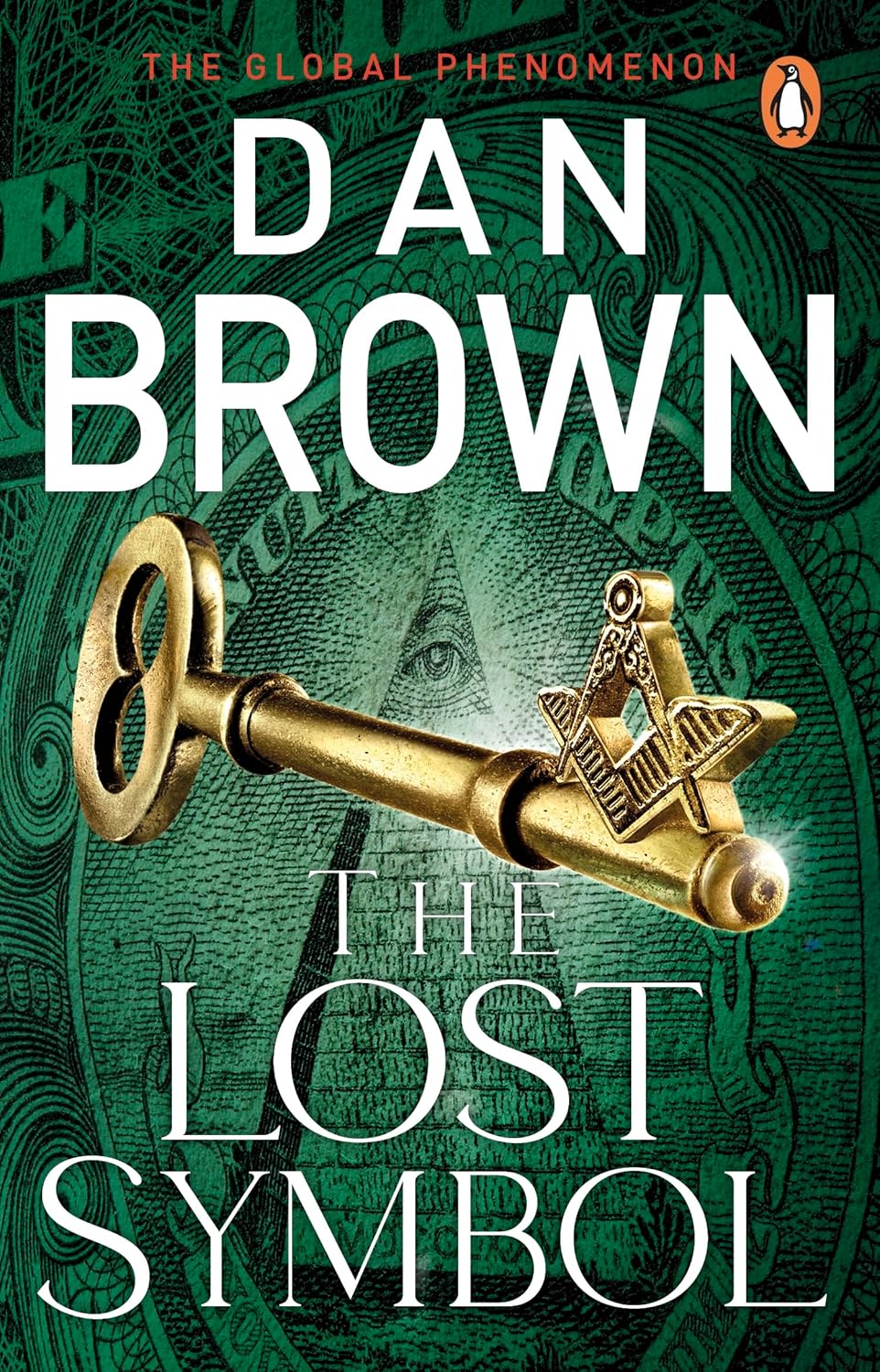
3. The Lost Symbol (2009)
Trading European cathedrals for the neoclassical heart of Washington DC, Robert Langdon’s third adventure dives headfirst into Freemasonry. Langdon travels to the US capital under the impression he is giving a lecture arranged by his close friend and mentor, philanthropist Peter Solomon. Instead, Langdon arrives at the Capitol Building to discover Solomon’s severed hand displayed as an invitation into a dark labyrinth.
Alongside Peter’s sister, noetic scientist Katherine Solomon, Langdon must unlock an ancient world of hidden wisdom. Poring over Masonic ciphers and ancient manuscripts, deciphering the architecture from the Smithsonian to the east entrance of Capitol tunnels becomes the only way to save Peter.
Screen adaptation note: Rather than a feature film starring Tom Hanks, The Lost Symbol was adapted into an episodic television series in 2021.
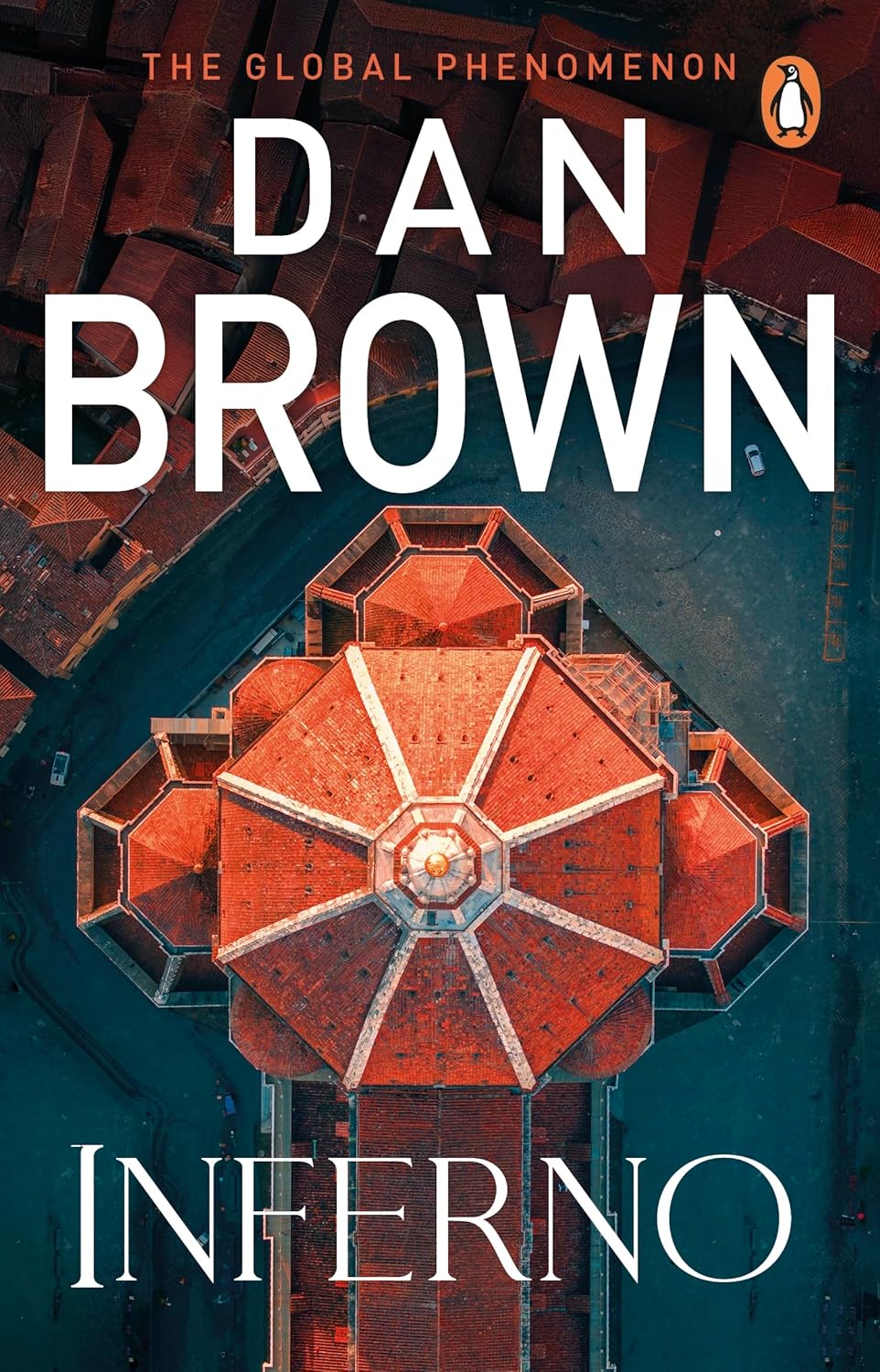
4. Inferno (2013)
Langdon wakes up in an Italian hospital room with amnesia, a head wound, and an assassin hot on his heels. Aided by Dr Sienna Brooks, a brilliant doctor with a dark past, Langdon must piece together why he is in Florence and what connection he has to an impending global bioweapon.
The mystery revolves around the fourteenth-century epic poem Dante’s Inferno. As Langdon scrambles to piece his memory back together, Langdon’s expertise in medieval literature and Dante’s nine circles of hell proves crucial to stopping a radical geneticist who believes plague is the only remedy for overpopulation and the end of the world.

5. Origin (2017)
Set across Spain (taking in Bilbao, Barcelona, and Madrid), Origin shifts the focus from ancient religious dogmas to modern technological futurism. Langdon attends an unveiling at the Guggenheim Museum Bilbao hosted by billionaire futurist and former student, Edmond Kirsch. Kirsch promises an announcement that will shatter world religions and answer two fundamental questions: “Where do we come from?” and “Where are we going?”
When the meticulously orchestrated evening is violently derailed and the evening’s host is murdered before his presentation can air, chaos erupts. Joined by museum director Ambra Vidal, Langdon must locate Kirsch’s password to broadcast the discovery, using modern art, poetic ciphers, and Langdon’s knowledge to evade religious extremists and political power brokers.

6. The Secret of Secrets (2025)
In The Secret of Secrets, Dan Brown’s novels return to their signature European mystery roots. Langdon accompanies Katherine Solomon (you might remember her from The Lost Symbol!) to Prague, where she is slated to deliver a groundbreaking address on human consciousness and noetic science.
The trip quickly spirals into danger when Katherine vanishes without a trace from their hotel room. Thrust far beyond his everyday comfort zone, Langdon is forced onto the cobbled streets under the amber glow of Prague. Navigating a dangerous city steeped in alchemy and folklore, set against a backdrop of vast castles and labyrinthine underground passages, Langdon must use all his arcane knowledge to survive the rings of treachery closing in around him.
Dan Brown’s Standalone Novels
While Robert Langdon’s world dominates Dan Brown’s bibliography, he has also penned two standalone, high-tech conspiracy thrillers and a delightful illustrated book for families:

Digital Fortress (1998)
Dan Brown’s first novel (and Brown’s first book published) introduced readers to his fascination with cryptography. In Digital Fortress, head cryptographer Susan Fletcher is called into the National Security Agency when the NSA’s code-breaking machine (TRANSLATR) encounters an unbreakable algorithm holding the intelligence community hostage. It is a classic late-90s technothriller full of hackers, government secrets, and computer worms.

Deception Point (2001)
Published between Angels & Demons and The Da Vinci Code, Deception Point centres on NASA discovering an extraterrestrial fossil buried deep inside the Milne Ice Shelf. White House intelligence analyst Rachel Sexton is sent to the frigid Arctic ice to verify the discovery, only to uncover a scientific hoax that could swing an impending US presidential election, putting a team of lethal assassins straight onto her trail.

Wild Symphony (2020)
A fun diversion from his usual output, Wild Symphony is an illustrated children’s book written for younger readers. Accompanied by original symphonic music composed by Brown himself, it features Maestro Mouse visiting various animal friends, delivering uplifting life lessons paired with interactive musical QR codes and hidden anagrams.
Complete Publication Order
If you simply want to work through Dan Brown’s books as they were released to the public, here is the full chronological publication order:
| Year | Title | Series / Type |
| 1998 | Digital Fortress | Standalone Novel |
| 2000 | Angels & Demons | Robert Langdon #1 |
| 2001 | Deception Point | Standalone Novel |
| 2003 | The Da Vinci Code | Robert Langdon #2 |
| 2009 | The Lost Symbol | Robert Langdon #3 |
| 2013 | Inferno | Robert Langdon #4 |
| 2017 | Origin | Robert Langdon #5 |
| 2020 | Wild Symphony | Children’s Illustrated Book |
| 2025 | The Secret of Secrets | Robert Langdon #6 |
What Is the Best Reading Order?
Frequently
Asked
Questions
about Dan Brown’s Robert Langdon books
About the Author
Before launching his worldwide literary career, American author Dan Brown grew up in New Hampshire, where his father taught mathematics at Phillips Exeter Academy. Brown later graduated from Amherst College and returned to teach English and creative writing before pivoting into music and, ultimately, writing full-time.
His background in academic environments and love for code-breaking, codes in architecture, and historical references laid the groundwork for what would become his trademark formula: accessible, popcorn-friendly modern adventure thrillers brimming with intellectual puzzles.
If you enjoy fast-paced thrillers packed with art, history, secret codes, and puzzles, diving through Dan Brown’s catalogue remains one of the easiest, most addictive binge-reads in the genre!