
How to Choose Ear Stacking and Cartilage Earrings for Every Personality& Outfit
Instagram and Pinterest are filled with gorgeous ear stacks: five studs climbing a helix, tiny hoops clustered at the lobe, a single constellation piercing that somehow looks effortlessly cool. You save the images and study the combinations, then stand in front of a jewelry display with no idea what actually works for you.
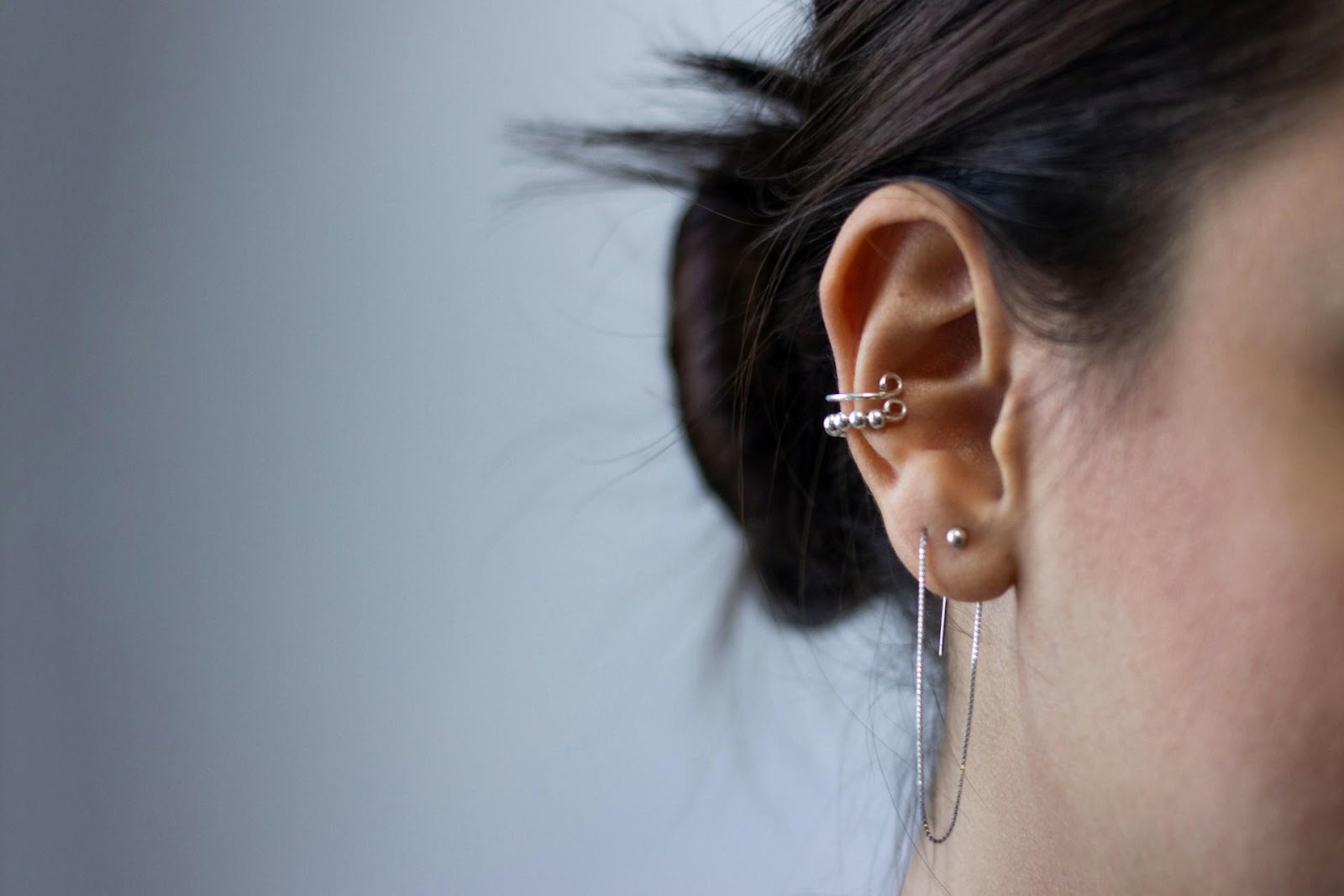
Photo by Kimia Zarifi from Unsplash
Earring choices aren’t just decorative. They’re part of how you show up in the world. What matters isn’t copying a trendy look, it’s understanding which styles genuinely fit your personality and lifestyle, then building from there.
What Ear Stacking Actually Means
Ear stacking just means wearing multiple earrings across different piercings, arranged intentionally instead of randomly. What used to focus only on lobe piercings now includes cartilage placements like the helix, conch, and tragus, each creating different looks depending on how you mix them.
Material quality becomes especially important with cartilage piercings. Cartilage takes 6–12 months to fully heal, far longer than lobe piercings, which means jewelry stays in constant contact with sensitive skin during that extended period. For anyone building an ear fashion stack, it helps to choose pieces depending on your face shape, as this guidance can point you to cartilage earrings and other ear accessories that suit your features and protect your investment in both the piercing and your jewelry collection.
This article covers three things. First, personality-based criteria that help you identify which styles actually feel right instead of just following trends. Second, what you need to know about cartilage placements and healing so you don’t make choices you’ll regret. Third, how to swap pieces between work, weekends, and going out without losing what makes your stack feel like yours.
Finding Earring Styles That Match Your Personality
Personal adornment goes beyond decoration, it actively constructs identity. Research from an archaeological perspective shows that across cultures and throughout history, people have used jewelry to create and communicate who they are. That same principle applies when you’re choosing cartilage earrings today.
Style frameworks exist to give you a starting point, not to box you in. The seven personality categories below describe common aesthetic preferences and how they might translate to earring choices. Most people blend traits from multiple categories, and that’s completely normal—the goal is recognizing patterns in what draws you, not finding one rigid label.
Seven Personality Starting Points
- Classic — You gravitate toward pieces that won’t look dated in five years. Simple gold studs, small hoops in matching metals, nothing that screams for attention.
- Relaxed — Comfort matters more than impact. You want lightweight studs that don’t catch on sweaters and posts you can sleep in without thinking about it.
- Dramatic — You like earrings that get noticed. Larger hoops, asymmetrical pairs, designs that spark questions from strangers.
- Creative — Matching sets bore you. Mix a vintage piece with something you bought last week. Wear silver and gold together. Pick shapes other people wouldn’t think to try.
- Rebellious — You cluster multiple piercings close together, wear industrial barbells, or choose blackened metals when everyone else goes for shine.
- Feminine — Small gemstones, floral details, rose gold instead of yellow. Curved designs appeal to you more than geometric ones, and you go delicate before you go bold.
- Elegant Chic — You’d buy three high-quality pieces over a drawer full of cheap ones. Clean lines, minimal details, nothing fussy.
You might wear simple studs to work and weird vintage finds on weekends. That’s normal. Pay attention to what you reach for repeatedly—that pattern matters more than fitting one category perfectly.
Where Cartilage Piercings Actually Go
Once you know what aesthetic appeals to you, placement knowledge helps you translate that into actual piercings. Three cartilage options offer the most versatility: the helix runs along your upper ear rim and works well for small hoops or studs you can stack vertically. The conch sits in that inner bowl of cartilage—it’s visible enough to anchor a look but protected from getting caught on things. The tragus is that small flap covering your ear canal, good for a single statement piece that stays put.
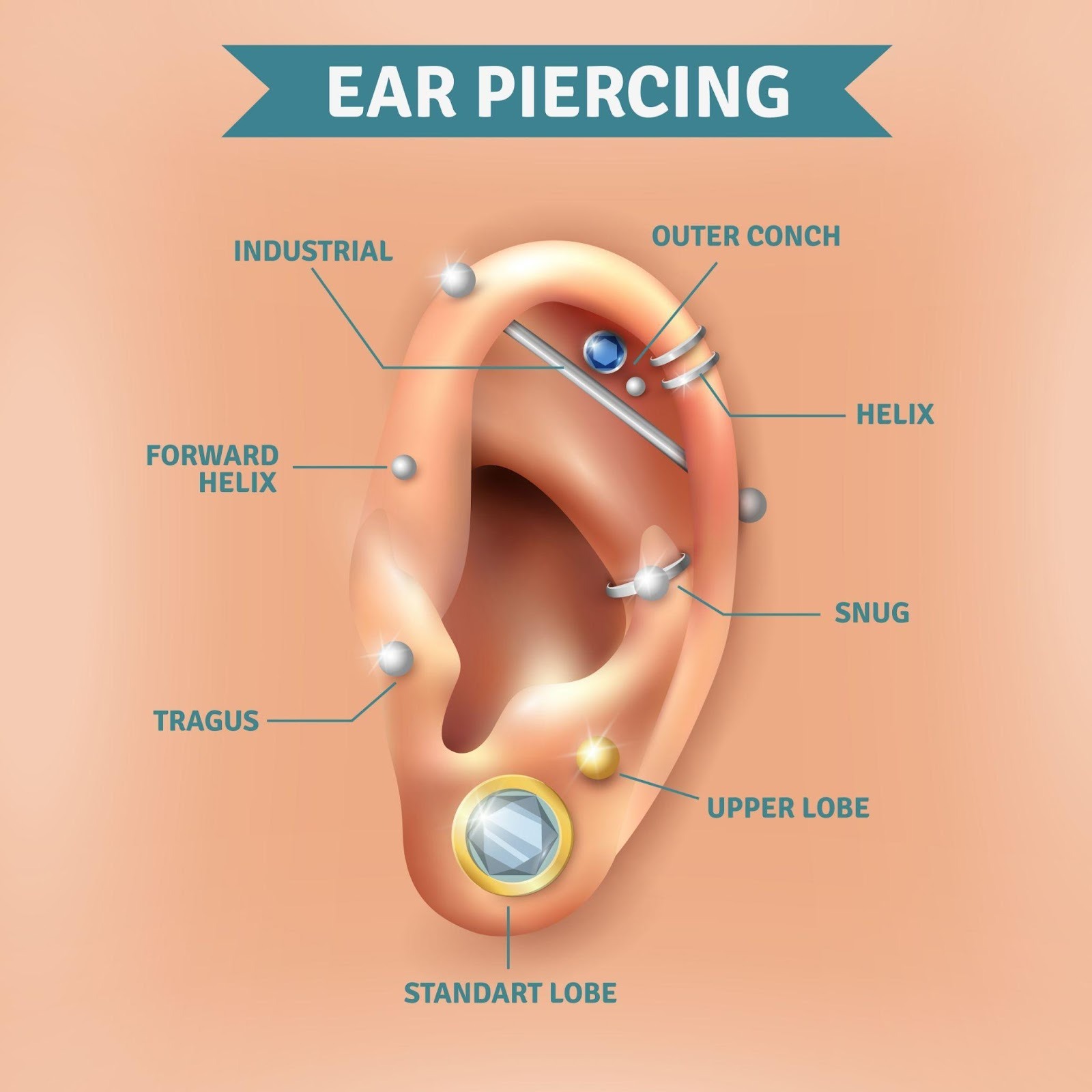
Image by Macrovector from Freepik
Cartilage piercings take six to twelve months to heal fully, compared to six to eight weeks for lobes. That timeline matters when you’re planning multiple piercings, getting three at once means managing three healing sites simultaneously for almost a year. Space them out unless you’re genuinely prepared for extended aftercare across multiple spots.
Your daily habits shape which placements actually work. If you wear earbuds constantly, a tragus piercing will interfere. Sleep on your side? Expect healing piercings on that ear to hurt for months. Catch your hair in jewelry? Forward helix placements might frustrate you. Practical awareness lets you plan around your real life instead of discovering problems six months in.
Making Your Ear Stack Work for Different Situations
A versatile collection isn’t about playing it safe. You need foundation pieces—earrings that feel like you and work most places—and then accent pieces you swap in and out. The foundation stays put. The accents change based on where you’re going.
Foundation and Accent Pieces
What counts as “foundation” depends entirely on your personality. If you’re Classic, foundation might mean small gold hoops that disappear into your aesthetic. If you’re Creative, foundation might be mixed metal studs that feel neutral to you even though they break traditional matching rules. The versatility comes from knowing your baseline, not from forcing yourself into someone else’s definition of neutral.
How to Actually Swap Pieces
Which accents you wear depends on the situation. Swap a bold conch hoop for a simple stud before work. Add it back for the weekend. Save your statement pieces for nights out when you want people to notice. You’re not hiding who you are, you’re just turning the volume up or down depending on where you are.
Similar to how people choose renaissance fair costumes that feel authentic to their personality rather than wearing identical generic outfits, your earring swaps should reflect your actual preferences across different settings.
Choosing Pieces That Reflect Your Values
Your cartilage earrings say something about your priorities and values, not just current trends. Choosing pieces that feel personally meaningful instead of following what’s popular creates a collection you’ll actually wear long-term.
The same principle applies to engagement ring styles, some people want tradition, others want something nobody else has. Build an ear stack that reflects what matters to you rather than what everyone else is wearing this season.
Making Swapping Practical
Practical organization makes swapping easier. Keep a small dish or organizer near where you get ready so you can see your options instead of digging through a jewelry box. Get quality flat-back studs for your foundation pieces, they’re way more comfortable for all-day wear and won’t catch on your clothes.
Build your collection gradually rather than buying everything at once, and pay attention to which pieces you reach for repeatedly. Those patterns tell you what actually works for your life.

Creating an Ear Stack That Evolves With You
The earrings you choose work best when they come from understanding yourself, not from following someone else’s aesthetic. What felt overwhelming at the start becomes an opportunity once you know what you’re looking for.
Three things turn endless options into intentional choices:
- Personality-based criteria help you recognize what actually appeals to you instead of copying trends that don’t fit
- Technical knowledge about placements and healing prevents expensive mistakes
- Strategic versatility lets you adapt across contexts without pretending to be someone you’re not
Where to start:
- Identify which personality traits show up in what you already wear—not just earrings, but everything
- Research the specific placements you want and think through how they’ll work with your actual routine before you get pierced
- Plan your collection as something that builds over time rather than a project you finish in one shopping trip
Your curated stack tells a story about who you are, and that story keeps evolving.